Stagecoach is an example of a business that has expanded through external growth and successfully! Founded in wake of the deregulation of the 1980s just like Preston bus and the all the other small bus firms, yet Stagecoach would grow into one of the market leaders. In the UK Stagecoach would be come one of 5 oligopoists however locally Stagecoach would be one of the most aggressive monopolists in recent history.
Stagecoach entered the market as a completely new firm (yet previously dealing in minibus hire). At first Stagecoach offer bus hire, with a personal service then it quickly began growth and the first firm to be bought out by Stagecoach was McLennan Of Spittalfield. This allowed Stagecoach to move from merely operating hire services out of their home of Perth (Scotland) into operating local services to Glasgow under the name Magicbus.
This was the beginning of huge growth for Stagecoach, through out the late 1980s. Along with rivals Arriva, Stragecoach opted for an aggressive take over strategy. Stagecoach took over maybe bus services including: East Midlands, Cumberland, Southdown and Ribble.
Stagecoach took over Ribble bus in 1988 and instantly moved for dominance across the North West.
Stagecoach renamed Ribble bus to Stagecoach Ribble and soon began buying up other bus local companies. Stagecoach took over Barrow Borough Transport and created Stagecoach Cumbria out of the Cumbrian bus services. The Northwest was just one if the regions Stagecoach targeted, it grew to dominance across various regions all across the UK and even bought out bus operators globally buying up UTM in Malawi.
By the 2000s Stagecoach and bough up many smaller bus companies and had strong market share across major cities such as Manchester, London, Newcastle and Liverpool. There 1990s diversification into the rail industried captured a significant market share and expansion globally was large scale. In 2001 all of the Northwest bus groups were merged into the group Stagecoach North West but it was not until 2006 that the bus wars truly began.
In 2006 Stage coach formed Stagecoach Preston Citi, its goal: to directly compete with Preston Bus!
Main sources: Stagecoach Group: History, Wikipedia: Stagecoach Group, Stagecoach Northwest
Saturday, 15 January 2011
Friday, 7 January 2011
Ed Miliband Receives Grilling on Jeremy Vine
In brutal interview did Ed hold his nerve?
The interview:
The Previous Government: After a blazing intro Jeremy gave Mr Miliband a chance to blame the past Labour Government and differentiate away from them, to which he defended the past Government. To the argument that they spend to much he said it was wise investment, although not prefect. He said the borrowing was responsible and said he paid off debt.
A caller attacked Mr Miliband first off in a petty manner about his voice then moving on to state the previous Labour government brought the country to its knees saying Labour wasted the governments money. He responded pointing out investments like the NHS to which she responding saying her mother had died of MRSA. Despite the onslaught he kept his cool using rational arguments such as 'for the most part people feel they have a good standard from the NHS' then twisting it to a Conservative jibs like their cuts to the NHS.
Others placed the sole blame for the financial meltdown on him which was also implied by Jeremy, he held off and stuck to the argument that it was not their fault because it was global.
His personality: When a calling with an alternative political view asked Mr Miliband to show some passion and heart in fighting the precent government, he said he would fight harder and picked up on her arguments backing them up, arguments such as 'we will never get playgrounds back'.
He was then accused of being faceless and 'shafting' his brother. He said his and his brother were best to stand against each other and fight fairly rather than back door deals such as Tony Blair and Gordon Brown. He said that both of them 'had something to say'.
When questioned about not being on his childs birth certificate he put death to such rumours by saying he is now and it was due to not being married to the mother (his partner) and responded to why he was not married by saying he plans to but he did not want to marry for political gain.
Tuition fees: His response to tuition fees to was push forward his graduate tax. He said that the Conservatives were ruining the next generate which he would not. He said he did not join the marches because he had other means of protesting such as in parliament. He also again reached out to the young party by saying he supporting votes for 16 year olds.
Banks: He said he would help the working family by not implementing the VAT and benefit cuts by getting money from elsewhere such as higher bank levies. He offered an interesting solution to bonuses by saying further regulation of banks by making them disclose more information would reduce bank bonuses by letting share holders know more and thus putting them off from paying out. This is an interesting idea, although to me this just seems like shifting pay from bank workers that actually work to shareholders that don't.
War: He supported the Conservative policy on Afganistian and said that it was right because many terrorist bases were around that region.
Religion: When asked to stop faith schools he pointed out that many faith schools pre-date public schools and said most do a good job.
Finally interesting Jeremy was attack for attacking Ed on personal grounds not political, to which Ed responded by asking the caller to explain why he voted Lib Dems rather thus letting Jeremy off the hook.
My response:
Ed held his nerve, no slips ('bigot') even against deep personal jibes and hard questions. He has some interesting and inventive policies although the idea he is too vague still holds up. Its refreshing to see him agree with some Con-dem policies and just valid defences. I agree that the finical crisis was not labours fault and investment is good, although perhaps running such large deficits is not responsible, its clear to make the destinction that an economy is not like a household and debt if very different to nations.
At very least I can say he is a good politician although he appears to have developed that catchphrase 'let me just say'.
From: http://www.bbc.co.uk/programmes/p00d4khs - (disappears on 13th of Jan)
The interview:
The Previous Government: After a blazing intro Jeremy gave Mr Miliband a chance to blame the past Labour Government and differentiate away from them, to which he defended the past Government. To the argument that they spend to much he said it was wise investment, although not prefect. He said the borrowing was responsible and said he paid off debt.
A caller attacked Mr Miliband first off in a petty manner about his voice then moving on to state the previous Labour government brought the country to its knees saying Labour wasted the governments money. He responded pointing out investments like the NHS to which she responding saying her mother had died of MRSA. Despite the onslaught he kept his cool using rational arguments such as 'for the most part people feel they have a good standard from the NHS' then twisting it to a Conservative jibs like their cuts to the NHS.
Others placed the sole blame for the financial meltdown on him which was also implied by Jeremy, he held off and stuck to the argument that it was not their fault because it was global.
His personality: When a calling with an alternative political view asked Mr Miliband to show some passion and heart in fighting the precent government, he said he would fight harder and picked up on her arguments backing them up, arguments such as 'we will never get playgrounds back'.
He was then accused of being faceless and 'shafting' his brother. He said his and his brother were best to stand against each other and fight fairly rather than back door deals such as Tony Blair and Gordon Brown. He said that both of them 'had something to say'.
When questioned about not being on his childs birth certificate he put death to such rumours by saying he is now and it was due to not being married to the mother (his partner) and responded to why he was not married by saying he plans to but he did not want to marry for political gain.
Tuition fees: His response to tuition fees to was push forward his graduate tax. He said that the Conservatives were ruining the next generate which he would not. He said he did not join the marches because he had other means of protesting such as in parliament. He also again reached out to the young party by saying he supporting votes for 16 year olds.
Banks: He said he would help the working family by not implementing the VAT and benefit cuts by getting money from elsewhere such as higher bank levies. He offered an interesting solution to bonuses by saying further regulation of banks by making them disclose more information would reduce bank bonuses by letting share holders know more and thus putting them off from paying out. This is an interesting idea, although to me this just seems like shifting pay from bank workers that actually work to shareholders that don't.
War: He supported the Conservative policy on Afganistian and said that it was right because many terrorist bases were around that region.
Religion: When asked to stop faith schools he pointed out that many faith schools pre-date public schools and said most do a good job.
Finally interesting Jeremy was attack for attacking Ed on personal grounds not political, to which Ed responded by asking the caller to explain why he voted Lib Dems rather thus letting Jeremy off the hook.
My response:
Ed held his nerve, no slips ('bigot') even against deep personal jibes and hard questions. He has some interesting and inventive policies although the idea he is too vague still holds up. Its refreshing to see him agree with some Con-dem policies and just valid defences. I agree that the finical crisis was not labours fault and investment is good, although perhaps running such large deficits is not responsible, its clear to make the destinction that an economy is not like a household and debt if very different to nations.
At very least I can say he is a good politician although he appears to have developed that catchphrase 'let me just say'.
From: http://www.bbc.co.uk/programmes/p00d4khs - (disappears on 13th of Jan)
Friday, 31 December 2010
BUS WARS: Chapter 2: The History of Preston Buses
Preston Bus was founded in 1904 and ran as a publicly owned bus service for 89 years until in 1993 it was bough by its employees during 1993.
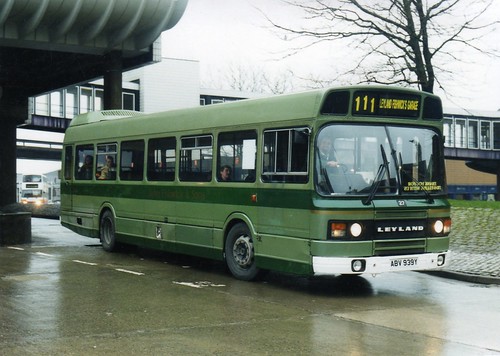
The bus's owned by the company operated under the City logo and with the City colours, as seen in the picture bellow. The firm operated many routes through out Preston along with other local bus companies.
Such companies like John Fishwick and Sons a bus company based in Leyland, as small local bus firm that rans buses around Leyland, Preston, Chorely and Wigan.
There was also Ribble Motor Services, an other small transport firm that operated from the 1920s to the late 1980s. Ribble Motor Services covered many northwest bus routes and operated many out of Preston bus station.
The bus's owned by the company operated under the City logo and with the City colours, as seen in the picture bellow. The firm operated many routes through out Preston along with other local bus companies.
![]() |
| A Preston Bus infront of iconic bus station © Copyright Tom Pennington and licensed for reuse under this Creative Commons Licence |
Such companies like John Fishwick and Sons a bus company based in Leyland, as small local bus firm that rans buses around Leyland, Preston, Chorely and Wigan.
| An old Fishwich bus running out of the bus station |
| A Ribble bus |
These three firms and others created a healthy bus industry in Preston, economic theory dictates that their prices would have been competitive and service good. But in take look round the now declining Preston Bus station and you will not see a Ribble bus, the iconic colours of Preston bus are gone and Ribble Buses are rarer and rarer.
For there was a storm brewing, a new competitor was about to arrive and monopolise the North West laying waste to its competitors. The Stage Coach had arrived.
Chapter 1
Chapter 1
Thursday, 30 December 2010
BUS WARS: Chapter 1: The city of Preston
Preston is a city with a strange affilation to buses! There have been in the past year many wars fought between companies, politicains, citizens and government bodies over the simple mater of buses.
Preston is home to one of the worlds largest bus stations which has been the focal point of the 'tithebarn project' a plan to redevelope the city. The iconic Preston bus station is loved and hated by many and its disition to be torn down has caused much debate amoung citizens of Preston.
| http://www.leegarlandphotography.co.uk/ |
That is another tale which can be read here
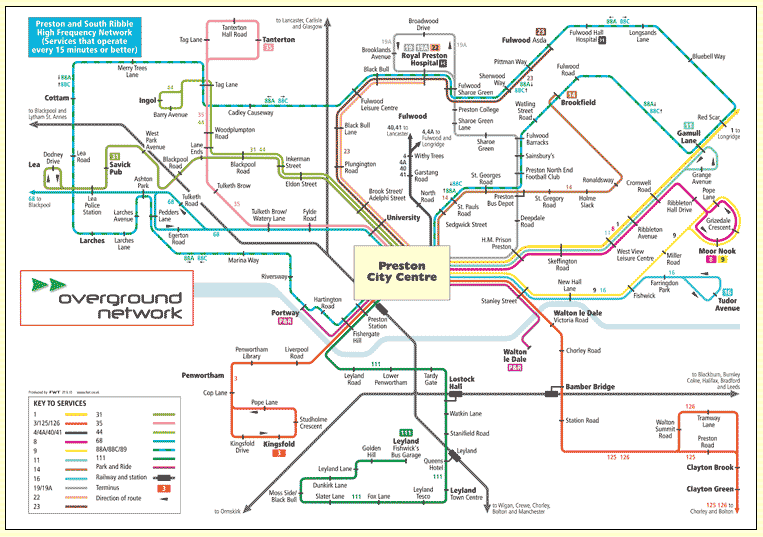
Yet Preston Bus station has been the scene of an other war, a battle between a small local firm known as Preston Bus Plc and the national bus giant stage coach. What seemed at first a battle between two firms soon became a war of legislation and law as the Competition Competion fought with Stage Coach for the fate of Prestons bus services.
![]() |
| The routes covered by Preston Bus PLC |
Monday, 27 December 2010
Cash Incentive
As we all know its tough economic times, as such I have been unable to find a part time job as of yet. With University in the pipe line I thought i might as well try and earn some money doing what i love, blogging.
From now on the Pol-Eco-UK blog with have some adverts on it.
Thank you for all your support so far, I hope we can continue to grow this blog.
Hope you all had a Merry Christmas and have a Happy New year.
From now on the Pol-Eco-UK blog with have some adverts on it.
Thank you for all your support so far, I hope we can continue to grow this blog.
Hope you all had a Merry Christmas and have a Happy New year.
Thursday, 23 December 2010
Net Neutrality
Net Neutrality is a term that has been appearing across the internet and in American Media, but what is it and how does it link to Economics.
What is Net Neutrality?
Net Neutrality means neutrality across the internet, which is the theory that each user on the internet should have equal access to websites and each website should have an equal chance.
In other words you pay for internet access but not for each website.
Why is it an issue at the moment?
Net neutrality has become an issue at the moment because some american internet provides are not following the ideals of net neutrality, they are changing more for some websites than when accessing others.
What is the importance of Net Neutrality?
Net Neutrality is vital, at present the internet is a 'free' while you must pay for access once on the internet each website has an equal footing with the next website. If firms start charging for access to websites there are huge social and economic consequences!
Socially it will mean that smaller websites will be weakened against larger websites, if their is free access to main stream media and it costs a lot more to access an independent website then instantly the free of speech on the internet becomes threatened. The advantage of the Internet now is that everyone has an equal say, you can go to any website and it will cost the same as accessing another, so you can choice where to get your news, information and entertainment. If firms break net neutrality then they can price out the competition.
Economically the fall of Net Neutrality is a disaster. What is glorious about the internet is is very few barriers to entry, which has greatly increased competition is most markets and in the internet industry itself lead to huge leaps of innovation and markets that are close to that of perfect competition (the blog market for example).
Also with the fall of net neutrality firms have an anti-competitive weapon to used to wipe out their competitors, as explained in the video bellow if internet providers can charge consumers for each website they access then they can offer some for free and charge huge amounts for others which will wipe them out.
Steve Wozniak co-founder of Apple is amount many trying to save net neutrality. It should be a social and economic priority for all peoples and nations!
Top American Youtube news reporter and Vlogger Phillip DeFranco explains the concept perfectly in this video:
What is Net Neutrality?
Net Neutrality means neutrality across the internet, which is the theory that each user on the internet should have equal access to websites and each website should have an equal chance.
In other words you pay for internet access but not for each website.
Why is it an issue at the moment?
Net neutrality has become an issue at the moment because some american internet provides are not following the ideals of net neutrality, they are changing more for some websites than when accessing others.
What is the importance of Net Neutrality?
Net Neutrality is vital, at present the internet is a 'free' while you must pay for access once on the internet each website has an equal footing with the next website. If firms start charging for access to websites there are huge social and economic consequences!
Socially it will mean that smaller websites will be weakened against larger websites, if their is free access to main stream media and it costs a lot more to access an independent website then instantly the free of speech on the internet becomes threatened. The advantage of the Internet now is that everyone has an equal say, you can go to any website and it will cost the same as accessing another, so you can choice where to get your news, information and entertainment. If firms break net neutrality then they can price out the competition.
Economically the fall of Net Neutrality is a disaster. What is glorious about the internet is is very few barriers to entry, which has greatly increased competition is most markets and in the internet industry itself lead to huge leaps of innovation and markets that are close to that of perfect competition (the blog market for example).
Also with the fall of net neutrality firms have an anti-competitive weapon to used to wipe out their competitors, as explained in the video bellow if internet providers can charge consumers for each website they access then they can offer some for free and charge huge amounts for others which will wipe them out.
Steve Wozniak co-founder of Apple is amount many trying to save net neutrality. It should be a social and economic priority for all peoples and nations!
Top American Youtube news reporter and Vlogger Phillip DeFranco explains the concept perfectly in this video:
Tuesday, 21 December 2010
The new macro economic challage, supply side woes of getting things moving!!
Forget fiscal policy to get agreegate demand moving, it appears that this winter we are stuggling to get anything moving at all!
Its easy to over look the impact of weather in Economics but is a very important factor.
For a start weather gives out externalities, a rainy day could have negative externalities believe it or not! Perhaps the snow will make people happier and more productive.. though this is debated!
Where weather plays a key part though is the supply side of the economy. Shifts in weather conditions could damage crops or reduces solar power yeild lower agreegate supply. Famines can damage supply in market increasing prices and panic buying due to weather has drastic effects on sum markets.
This quick example shows the classical theory for what happens in the market for tinned beans short term in a panic buy. The supply is fixed short term as shown by being totally inelastic. The demand is also inelastic as demand will not be effectected by price rises. A jump to D1 leads to a drastic increase in price from P to P1.

This is exactly what plucky shop keepers can do in times of high demand. Although the large super markets like tesco and sainsbury's could be hindered by pricing policy, in this case it would be the small independent shops and francises (like Spar) that would benefit. Although classic theory tends not take into account customer loyalty that would be damaged for years to come for any shop keeper that abused his customers this way.
However the problem facing the UK at the moment is the effect of weather, in this case snow, on the mobility of the factors of production. Mobility of labour, land, capital and even enterprize is a very important supply side concept. To improve the supply side of the economy we can improve infrastructor like motorways to improve mobility of these factors.. so what happens when the economy is snowed to a stand still?
"The insurer RSA estimated that the freezing weather could cost the UK economy up to £1.2bn a day, with retailers and the restaurant and bar industries likely to be the worst affected." -Big freeze could cost UK economy more than £6bn - guardian.co.uk
For each person that does not get to work, each factory that's supplies are delayed and each school child that can't be educated the economy suffers.
Yet there is some good news, due to the internet things are not as bad as they could be. People are working from home and businesses can use webcams and phones to hold meetings, I know infact of a business now conducting a board meeting via skype.
Businesses are also offering their own solution, Miniture scifi model producer Games Workshop emailed its customers telling them while they can't promise Chirstmas orders they are offering online vouchers that can be given over the internet to solve Christmas gift woes. Ending their email with an appropreate image, I've shared with you bellow, to lift thier fans spirits.
Snow causes chaos but we just have to 'battle' through and hope the smiles a white Christmas will put on peoples faces will out weight the chaos, after all at the end of the day Economics is not really about money its or even dare i say it factors of production, but whats best for us all and thats happiness.
Its easy to over look the impact of weather in Economics but is a very important factor.
For a start weather gives out externalities, a rainy day could have negative externalities believe it or not! Perhaps the snow will make people happier and more productive.. though this is debated!
Where weather plays a key part though is the supply side of the economy. Shifts in weather conditions could damage crops or reduces solar power yeild lower agreegate supply. Famines can damage supply in market increasing prices and panic buying due to weather has drastic effects on sum markets.
This quick example shows the classical theory for what happens in the market for tinned beans short term in a panic buy. The supply is fixed short term as shown by being totally inelastic. The demand is also inelastic as demand will not be effectected by price rises. A jump to D1 leads to a drastic increase in price from P to P1.

This is exactly what plucky shop keepers can do in times of high demand. Although the large super markets like tesco and sainsbury's could be hindered by pricing policy, in this case it would be the small independent shops and francises (like Spar) that would benefit. Although classic theory tends not take into account customer loyalty that would be damaged for years to come for any shop keeper that abused his customers this way.
However the problem facing the UK at the moment is the effect of weather, in this case snow, on the mobility of the factors of production. Mobility of labour, land, capital and even enterprize is a very important supply side concept. To improve the supply side of the economy we can improve infrastructor like motorways to improve mobility of these factors.. so what happens when the economy is snowed to a stand still?
"The insurer RSA estimated that the freezing weather could cost the UK economy up to £1.2bn a day, with retailers and the restaurant and bar industries likely to be the worst affected." -Big freeze could cost UK economy more than £6bn - guardian.co.uk
For each person that does not get to work, each factory that's supplies are delayed and each school child that can't be educated the economy suffers.
Yet there is some good news, due to the internet things are not as bad as they could be. People are working from home and businesses can use webcams and phones to hold meetings, I know infact of a business now conducting a board meeting via skype.
Businesses are also offering their own solution, Miniture scifi model producer Games Workshop emailed its customers telling them while they can't promise Chirstmas orders they are offering online vouchers that can be given over the internet to solve Christmas gift woes. Ending their email with an appropreate image, I've shared with you bellow, to lift thier fans spirits.
Snow causes chaos but we just have to 'battle' through and hope the smiles a white Christmas will put on peoples faces will out weight the chaos, after all at the end of the day Economics is not really about money its or even dare i say it factors of production, but whats best for us all and thats happiness.
Thursday, 9 December 2010
Rebellions and Promises
Tuition fees are to increase to up to £9000
Yet not with out heavy resistance.
28 Lib dems voted Yes
21 Lib dems voted No
8 Lib dems abstained or were not present
This means that less than half of the Liberal Democrats passed the proposals. Full list here.
Also 6 Conservative MP's also rebelled against the fees. All in all the pass of 323 votes to 302 votes was very small. This raising underling problems within the coalistion, as predicted when tested the Liberals Democrats have split. With the Liberal Democrats being an initial merge of the SDP and the Liberals back in 1988 and now the a divide between the Socialist of the party and the Orange Bookers, is it too unlikely that we could see a break down of the party? Having seen a number of deffections and resignations today so a number of higher profile Lid Dems leaving their posts, mainly Michael Crockart, who quit his government role. This rebellion has further to go.
Mean while Ed Millibands Labour party voted against it the change and is now speaking out against it trying to capitalize upon the situation.
In the streets
Outside parelment things were far more open and violent! Protesters attacked Prince Charles car, attacked statues, the treasury and battled with police. Police Cavalry charges and protestors throwing missiles were seen in public violence that would be hard to match in the last 20 years. Who is to say what will happen next? Should further Unions join strikes in 2011 when budget forms sink in it could have devistating consequences.
Yet not with out heavy resistance.
28 Lib dems voted Yes
21 Lib dems voted No
8 Lib dems abstained or were not present
This means that less than half of the Liberal Democrats passed the proposals. Full list here.
Also 6 Conservative MP's also rebelled against the fees. All in all the pass of 323 votes to 302 votes was very small. This raising underling problems within the coalistion, as predicted when tested the Liberals Democrats have split. With the Liberal Democrats being an initial merge of the SDP and the Liberals back in 1988 and now the a divide between the Socialist of the party and the Orange Bookers, is it too unlikely that we could see a break down of the party? Having seen a number of deffections and resignations today so a number of higher profile Lid Dems leaving their posts, mainly Michael Crockart, who quit his government role. This rebellion has further to go.
Mean while Ed Millibands Labour party voted against it the change and is now speaking out against it trying to capitalize upon the situation.
In the streets
Outside parelment things were far more open and violent! Protesters attacked Prince Charles car, attacked statues, the treasury and battled with police. Police Cavalry charges and protestors throwing missiles were seen in public violence that would be hard to match in the last 20 years. Who is to say what will happen next? Should further Unions join strikes in 2011 when budget forms sink in it could have devistating consequences.
Saturday, 4 December 2010
Tuition fee increase: Political not economic.
Many would have use think that the Tuition fee increase is way of raising finance for the Government, that in these tough times we all must pay. Nick Clegg said his reasons for flip flopping on his promise to the NUS about not increasing them was because after he saw the 'true extent of the debt' he changed his mind. However after a bit of reading around, I've come to the conclusion that in fact it is no an economic move at all.. it is a political move based upon ideology.
The Government wants to reduce exspenditor, so it will cut University funding and increase tuition fees. As a one off this will cut the expenditior for that department as now less funding will go out to Universities. Yet this will cancel out becuase the Government will have to give out more loans. This is not a short term stragegy because it will take some time for these loans to be paid back, the Government will start seeing the return after this term in office. Not to mension the huge costs of setting up the new system!
Its claimed that the increase in tution fees will not have an effect on people going to university, that students will not be put off by high debts and the new system is fairer. This is not true at all, just from first hand experience I can say that many students are being put off from going to university and it can be seen but the civil up roar displited by the students all across the country that it is very much not regarded as fairer.
Increasing the skills and education that works have is a good way of developing the economy. It is a core supply side policy. If we deter people from going to collage then growth will suffer in the economy. On average those with a degree earn 35% more than the national average. This means that if less people go to university the Government will collect less taxes! No only this but the cut to university funding will mean Universites will have to scale down their research, this again will put Briton behind.
So what is too gain from this? Freeing tution fees is on more step to privatising it, the Conservitive party believe in the free markets. The best universities will be able to offer higher charges so will have a higher income. This means the top Universities will have more money to spend but what about those that can't charge so much?
Could we be faced with Universities disappearing? Those that don't perform may be wiped out. This could just be the begining of policy. The Government will keep pushing up tutuin fees and liberating Universites until it becomes a business. Those that don't attract will fail. Is this really what we want?
There are serious implicaitons to slowing increasing tution fees, re-making university for the elite could be a danger. The question is, is this in the Converitives interest? Some might say so.
If fees are pushed up but the Government whats to still make it viable for everyone to go to University then they will have to increase grant, those maybe this is not a consern for the present Government.
We have established that higher tuition fees will put people off university but perhaps this is the point. Some people believe that their are too many University course and many are useless. Could this be the motive, to put those off that will not benefit themselves or society by going to University?
Really what have the Tories got to loose from upsetting students, they are not a key group of supports of the Conservative party! Those that are, are unlikely to change their view based upon this. The only ones loosing out are the Lib Dems and the students ofcourse.
Yet we must remember for all of this speculation of Conservative gain it was Labour that brought in tuition fees in the first place...
The Government wants to reduce exspenditor, so it will cut University funding and increase tuition fees. As a one off this will cut the expenditior for that department as now less funding will go out to Universities. Yet this will cancel out becuase the Government will have to give out more loans. This is not a short term stragegy because it will take some time for these loans to be paid back, the Government will start seeing the return after this term in office. Not to mension the huge costs of setting up the new system!
Its claimed that the increase in tution fees will not have an effect on people going to university, that students will not be put off by high debts and the new system is fairer. This is not true at all, just from first hand experience I can say that many students are being put off from going to university and it can be seen but the civil up roar displited by the students all across the country that it is very much not regarded as fairer.
Increasing the skills and education that works have is a good way of developing the economy. It is a core supply side policy. If we deter people from going to collage then growth will suffer in the economy. On average those with a degree earn 35% more than the national average. This means that if less people go to university the Government will collect less taxes! No only this but the cut to university funding will mean Universites will have to scale down their research, this again will put Briton behind.
So what is too gain from this? Freeing tution fees is on more step to privatising it, the Conservitive party believe in the free markets. The best universities will be able to offer higher charges so will have a higher income. This means the top Universities will have more money to spend but what about those that can't charge so much?
Could we be faced with Universities disappearing? Those that don't perform may be wiped out. This could just be the begining of policy. The Government will keep pushing up tutuin fees and liberating Universites until it becomes a business. Those that don't attract will fail. Is this really what we want?
There are serious implicaitons to slowing increasing tution fees, re-making university for the elite could be a danger. The question is, is this in the Converitives interest? Some might say so.
If fees are pushed up but the Government whats to still make it viable for everyone to go to University then they will have to increase grant, those maybe this is not a consern for the present Government.
We have established that higher tuition fees will put people off university but perhaps this is the point. Some people believe that their are too many University course and many are useless. Could this be the motive, to put those off that will not benefit themselves or society by going to University?
Really what have the Tories got to loose from upsetting students, they are not a key group of supports of the Conservative party! Those that are, are unlikely to change their view based upon this. The only ones loosing out are the Lib Dems and the students ofcourse.
Yet we must remember for all of this speculation of Conservative gain it was Labour that brought in tuition fees in the first place...
Wednesday, 1 December 2010
Bank of England's independence threatened
Mervin King, Governor of the Bank of England, is under pressure to resign after WikiLeaks revealed he had less faith in David Cameron.
The WikiLeaks articles contained this document from a US ambassador : "He [Mr King] opined that party leader David Cameron and shadow chancellor George Osborne have not fully grasped the pressures they will face from different groups when attempting to cut spending," Since this has emerged Mr King has been pressured to resign.
Reports state that leading Economist David Blanch Flower states: Mr kings "thirst for power and influence ... has clouded his judgment one too many times". That he should quit because of political bias.
The WikiLeaks articles contained this document from a US ambassador : "He [Mr King] opined that party leader David Cameron and shadow chancellor George Osborne have not fully grasped the pressures they will face from different groups when attempting to cut spending," Since this has emerged Mr King has been pressured to resign.
Reports state that leading Economist David Blanch Flower states: Mr kings "thirst for power and influence ... has clouded his judgment one too many times". That he should quit because of political bias.
Mervin King should not quit for exactly that reason!
He was reported to have concerns about the Government, this is merely his opinion. While Mr King may be using his influence surely he is entitled to an opinion.
If he is forced to resign for expressing some concern about the Government it will seriously question the independence of the Bank of England. If the Bank of England is a truly independent body then the Governor, while working closely with the Government, should be allowed to judgement. If every Governor that questions the Government is removed then surely we might as well take monetary policy back to 10 down street !
Subscribe to:
Posts (Atom)